
TMJ Treatment – Studio City
Get Rid of Facial Pain & Chronic Headaches

The TMJ, or temporomandibular joint, is a very important but often overlooked aspect of oral health. It’s the joint that enables your lower jaw to move in all directions, giving you the ability to eat, speak, laugh, and yawn. Strain, stress, or a misaligned bite can sometimes lead to problems with this joint, which can cause a stiff and painful jaw, chronic headaches, and even soreness in the neck and shoulders. At Studio City Dental Arts, Dr. Shahrestany is able to diagnose and treat these issues to help our patients get back to their lives, pain-free, as quickly as possible. If you believe you may be suffering from TMJ issues, give us a call today.
Why Choose Studio City Dental Arts for TMJ Treatment?
- Customized Treatment for Each Patient
- Flexible Financing Options
- Saturday Appointments Available
What Is TMJ Disorder?
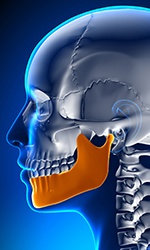
The TMJ is a small set of hinges located in front of your ears. This joint is what allows your lower jaw to move up and down when you speak, laugh, and talk. The TMJ is one of the most complex joints in the body, so it can be bothered by a misaligned bite, teeth grinding, and other factors. When the TMJ is disturbed, this is referred to as TMJ disorder, or TMD.
Symptoms of TMJ Disorder
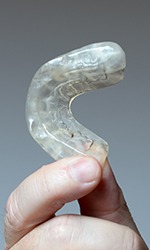
There are a variety of symptoms that those with TMJ disorder experience. Here are some of the most prominent.
- Headaches: One of the most underdiagnosed causes of frequent headaches is TMJ. The jaw muscles become tense, strained, and overworked, so it is easy for this to affect nearby muscles in the head.
- Ear Pain: Since the TMJ is located next to the ears, having a dysfunctional joint can easily result in ear pain. It can also cause ringing in the ears, known as tinnitus.
- Face/Jaw Pain: Jaw stiffness and pain are the most common symptoms of TMD. It can be difficult to chew comfortably, and lockjaw is very common.
- Bruxism: Teeth clenching and grinding can be caused by daily stress, a misaligned bite, and TMD. It usually happens during sleep and can overwork the jaw muscles, leading to additional pain.
Types of TMJ Treatment

Depending on the cause of your TMJ disorder and the severity of your case, there are various treatment options available. Here are the ones that we offer.
Occlusal Splint
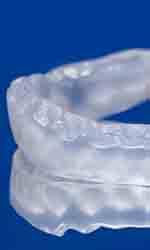
An occlusal splint is a small, custom-made mouthpiece that a patient would wear to bed, and it’s one of the primary ways we can help relieve TMJ-related pain. The splint is designed to slightly shift the jaw into a more natural and relaxed position, enabling strained facial muscles to heal on their own. It also places a protective barrier between the teeth to prevent teeth grinding (another common issue associated with TMJ problems).
Equilibration/Occlusal Adjustment

Do your upper and lower teeth come together evenly around your mouth? If the answer is no, then you might need equilibration/occlusal adjustment. We can remove small amounts of enamel from certain areas of your teeth so they fit together properly. As a result, your jaw will no longer be exposed to an excessive amount of force whenever you bite or chew. In some cases, we might build up your teeth with customized dental crowns
TMJ Treatment FAQs
Is TMJ Treatment Safe?
TMJ treatment in Studio City is generally very safe. As long as you receive care from a qualified professional, there is a very low level of risk associated with available treatment options.
For example, an occlusal splint is a totally non-invasive, non-pharmaceutical, and customizable option. Although it may take you a bit of time to adjust to using your appliance, it is highly unlikely to cause any significant problems.
How Long Does It Take for a TMJ Splint to Work?
Every case of TMJ disorder (TMD) is unique, so we cannot make any firm predictions about how long it might take for you to see results. Some people notice a positive difference after just a few nights of using their occlusal splint, with improvements continuing over the course of a few months.
For others, it takes a bit longer to experience results. Be patient, and strive to be consistent with wearing your splint. If you do not notice improvements within a reasonable amount of time, talk to our team. We may be able to adjust your device so it can provide relief.
Can TMJ Be Treated Without Surgery?
Yes! In fact, most TMD cases respond very well to non-surgical intervention. Surgery comes with a higher level of risk than other methods of treatment, so it is generally regarded as a last resort.
If your case of TMD is particularly complex or severe, and it has not responded to other approaches, our team might suggest that you visit an oral surgeon or another specialist to learn about surgical options.
Is TMJ Treatment Expensive?
The cost of TMJ treatment depends on the specific type of care you receive. Even occlusal splints can vary in their prices.
When you visit us for a consultation, we can talk about specific numbers and help you understand payment options. For example, we welcome financing from both CareCredit and Sunbit.
Keep in mind as well that, even though TMJ treatment might seem pricey, it is actually a smart investment in your oral health and overall well-being.
Can TMD Be Fixed with Braces or Invisalign?
In some cases, TMD is the result of dental misalignment that places extra stress on the jaw joints. If that is true for you, we might recommend that you use Invisalign clear aligners to correct your bite. As your oral structures come into better alignment, you may notice that your TMD symptoms gradually subside.
Since orthodontic treatment can take several months, you might need to employ other pain relief measures in the meantime. For example, OTC medications, heat/cold therapy, and a soft diet can all be helpful.